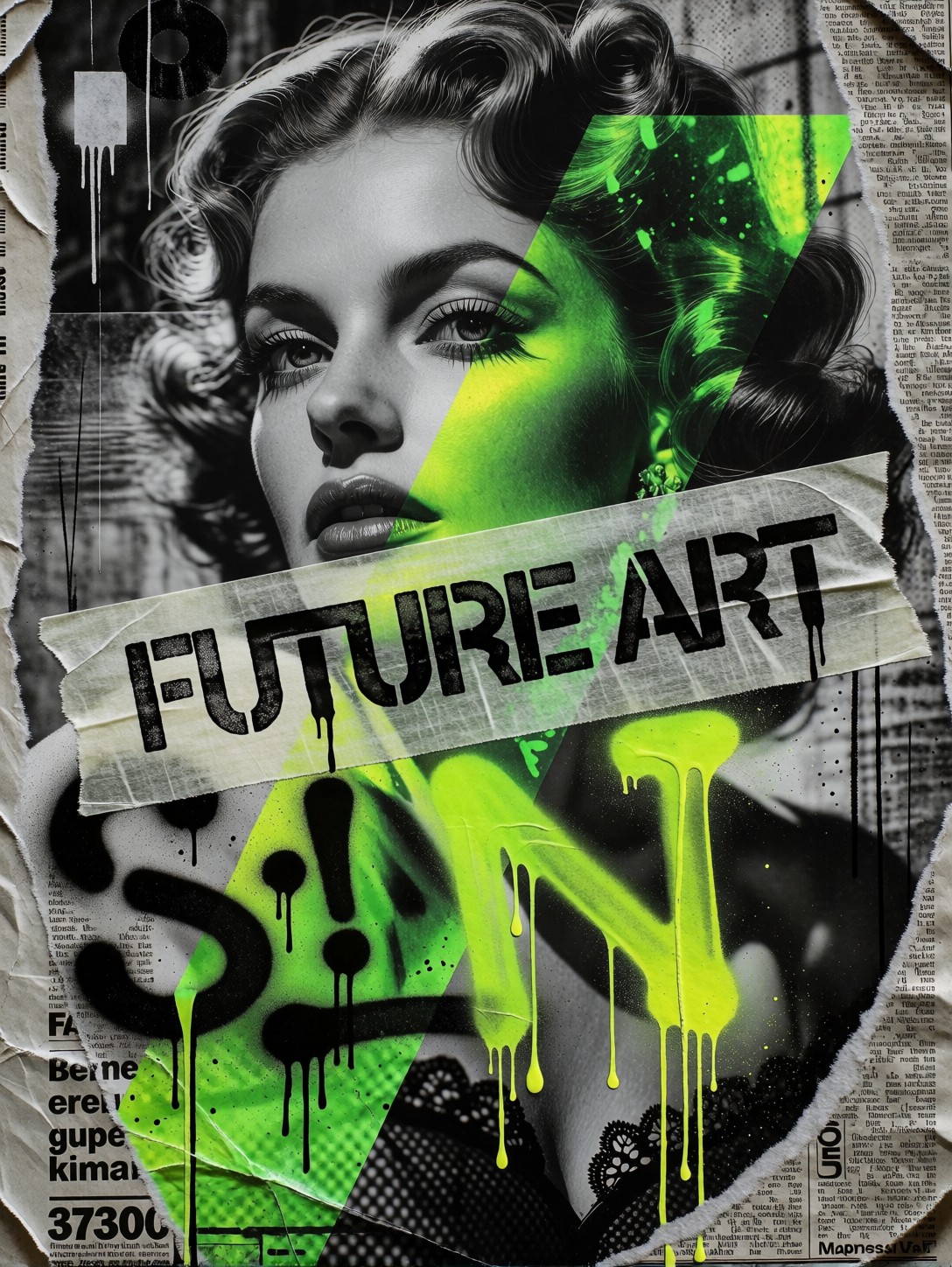
Neon Collision on Torn Paper: Anatomy of a Mixed-Media Poster
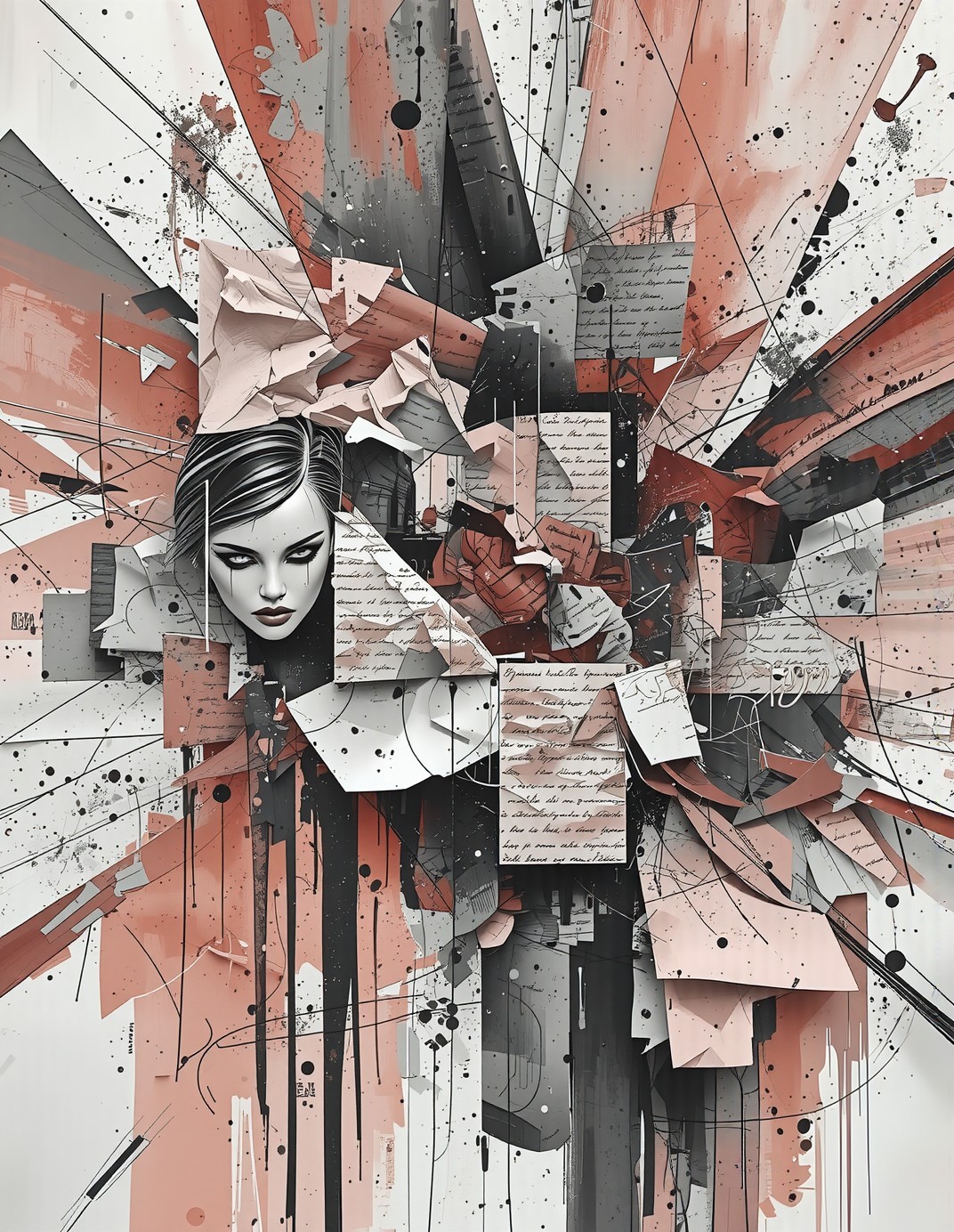
The single most arresting element here is the masking tape. A torn strip, slightly angled, carrying the hand-stamped words "FUTURE ART" in bold type — it sits dead centre like a label slapped onto a box that was never meant to be opened. Around it, the prompt stacks five distinct visual registers: a black-and-white vintage portrait, neon-green geometric shapes, ripped newspaper textures, spray-painted graffiti stencils, and halftone print grain. Each layer competes for dominance without collapsing the composition.
Proxima Aurelia 2 handles this stacking intelligently — its training on rich visual storytelling means the layers read as intentional collage rather than random noise. The high-contrast B&W portrait anchors the eye; the neon geometry pulls it outward; the raw paper edges and halftone dots fill the spaces between with tactile grit. The result is an editorial poster that looks like it was assembled on a coffee table by someone who had just read too much Dada theory and too little sleep.
Album Covers, Gallery Posters, and Streetwear Drops
Independent music labels need exactly this kind of high-energy visual for single covers and tour posters. The neon-on-monochrome palette translates directly to vinyl sleeve art without losing impact at small scale. Streetwear brands building a graphic tee or tote line will find the ripped-paper and stencil language instantly readable on fabric.
Gallery and zine covers are another strong fit — the mixed-media aesthetic signals "art-world" without the sterility of minimalism. For social media, a 4:5 crop (1080×1350) keeps the masking-tape text legible in a phone feed. Full poster output works best at 3:4 (1080×1440) or 2:3 (896×1344) to preserve vertical breathing room around the central text element.
Dialing In Proxima Aurelia 2 for Layered Collage Work
Proxima Aurelia 2 is the next evolution of the Aurelia line, built on Flux Schnell architecture. Its strength here is composition — the model understands that a collage needs visual hierarchy, not just a pile of textures. You don't need to over-specify every layer; the model will arrange them with editorial instinct.
- CFG / Guidance:
3.5— Aurelia 2 responds well to moderate guidance; pushing higher flattens the layer depth into a single plane - Steps: 20–30 for full texture resolution (halftone dots, paper fibre, spray-paint overspray); 12 steps if you're testing composition only
- Resolution:
1080×1440(3:4) for poster use;1344×1792for print-ready output where paper texture detail matters
The "8k" tag in the prompt is decorative — Aurelia 2 doesn't generate at 8K. What it does do is push texture fidelity to the maximum of its native resolution, so keep your output size as large as your workflow allows.
Five Ways to Rework the FUTURE ART Poster
5 Concrete Twists on the Collage Poster
- Swap the accent colour: Replace "neon-green" with "hot magenta and electric blue" — the palette shifts from punk to rave, the geometric shapes read as rave-flyer fragments rather than constructivist blocks
- Change the stamped text: Replace "FUTURE ART" with "NO SIGNAL" or "REPEAT" — the masking-tape element becomes a glitch reference, pulling the whole piece toward digital decay instead of futurism
- Shift the subject: Replace "a woman" with "an androgynous figure in a leather jacket, mid-laugh" — the vintage B&W portrait becomes more confrontational, the collage reads as a zine cover rather than a gallery piece
- Add a specific era: Insert "1977 New York punk" before "editorial poster" — the newspaper textures become News of the World clippings, the graffiti stencils reference Basquiat-era tags, the whole piece tightens into a period-specific statement
- Go landscape for a wall mural: Add "wide 16:9 composition, horizontal layout, suitable for a 4-metre-wide gallery wall" — the geometric shapes spread laterally, the portrait becomes one element in a larger narrative strip, ideal for event backdrops
Two Prompts Ready to Generate
Both examples below apply a variation from the list above, tuned for Proxima Aurelia 2 at the settings recommended in the previous section.
Variation: 1977 New York punk era lock — period-specific newspaper, Basquiat-era tags, leather jacket subject, the whole piece snaps into a single cultural moment
Mixed Media art, Collage aesthetic. A striking 1977 New York punk editorial poster combining a black-and-white vintage portrait of an androgynous figure in a leather jacket mid-laugh, vibrant neon-green geometric shapes, ripped News of the World newspaper textures, spray-painted Basquiat-era graffiti stencils, torn masking tape centre with bold hand-stamped text "NO SIGNAL", high-contrast urban art, raw paper edges, halftone print textures, dynamic composition, masterpiece
Variation: hot magenta and electric blue palette shift — same structure, rave-era colour energy, geometric shapes become flyer fragments
Mixed Media art, Collage aesthetic. A striking editorial poster combining a black-and-white vintage portrait of a woman, vibrant hot magenta and electric blue geometric shapes, ripped newspaper textures, spray-painted graffiti stencils, layered torn masking tape centre with bold hand-stamped text "FUTURE ART", high-contrast urban art, raw paper edges, halftone print textures, dynamic composition, rave flyer energy, masterpiece
More Mixed-Media and Pop-Art Territory
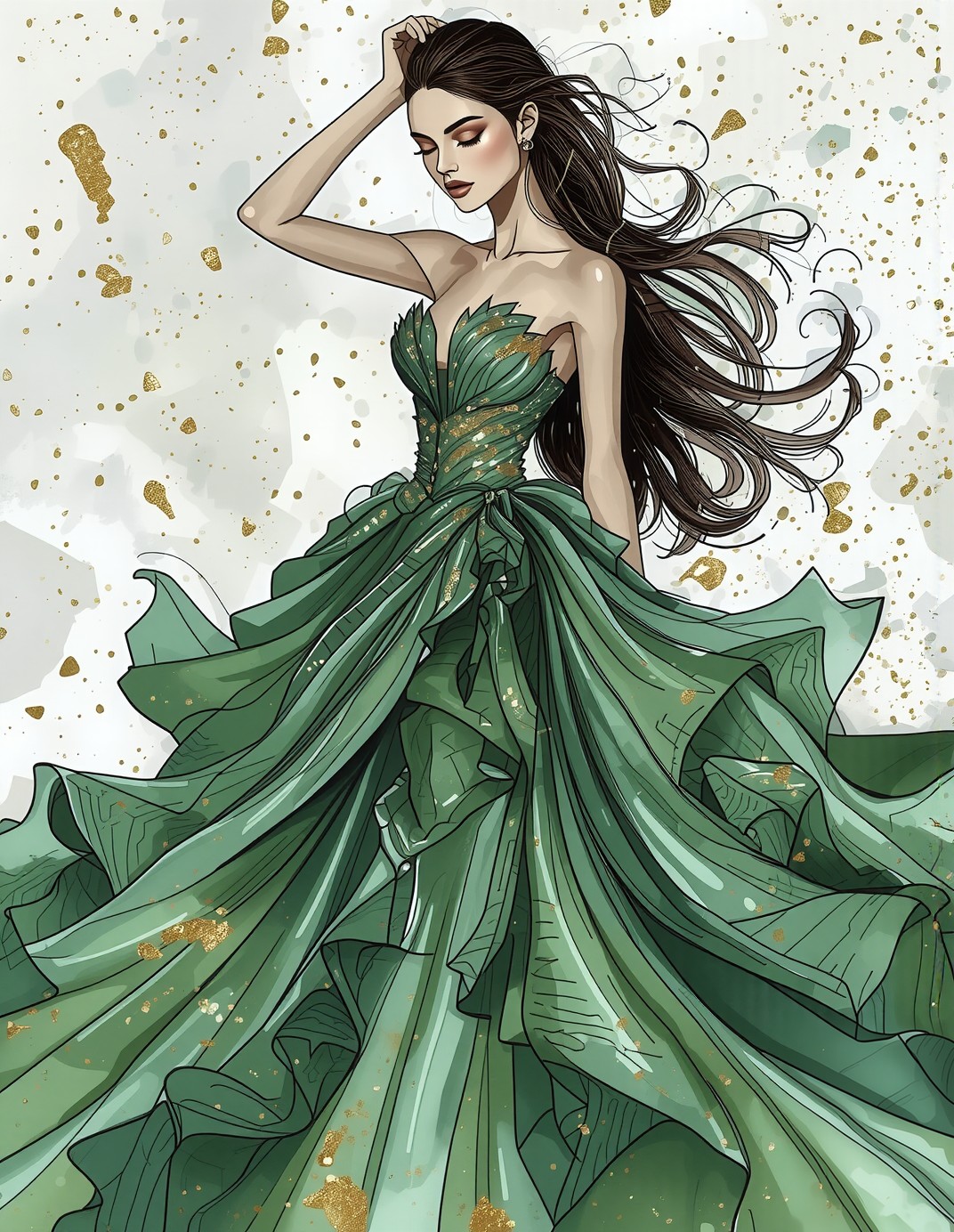
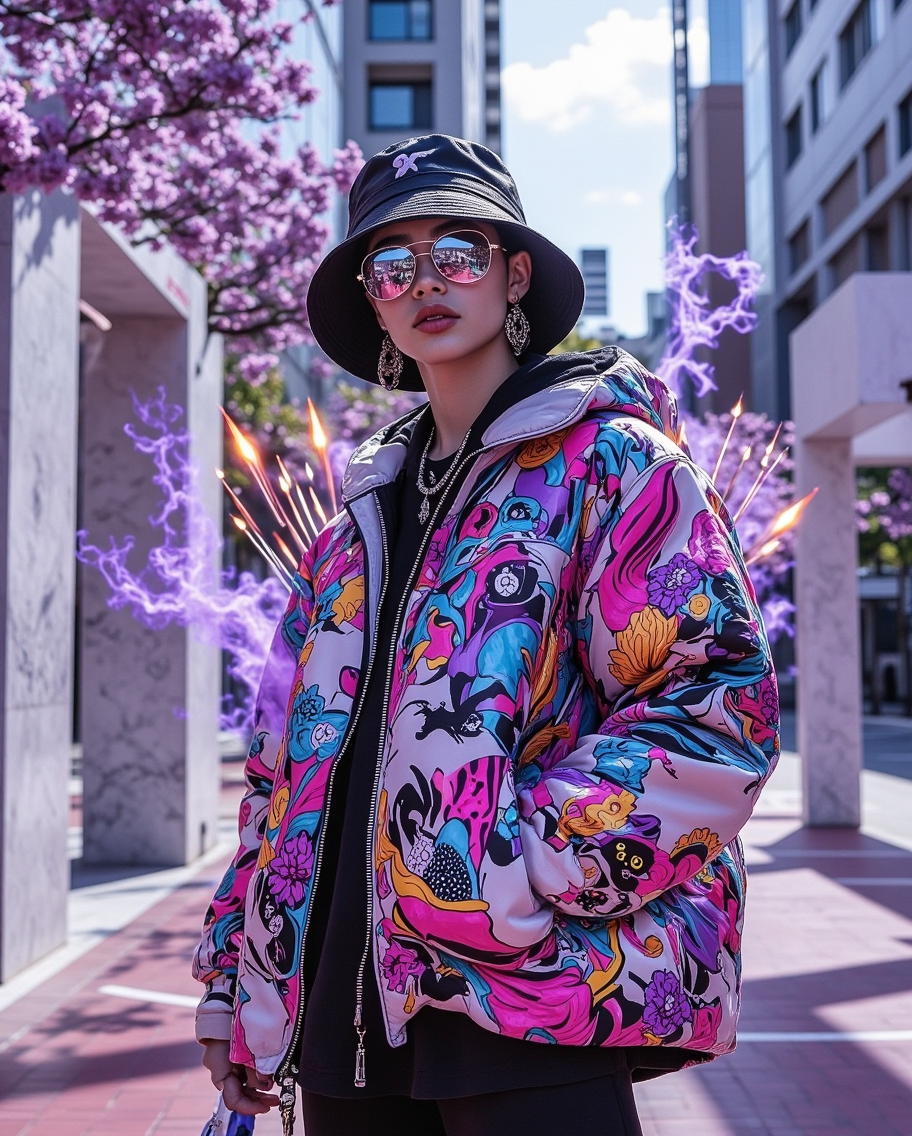
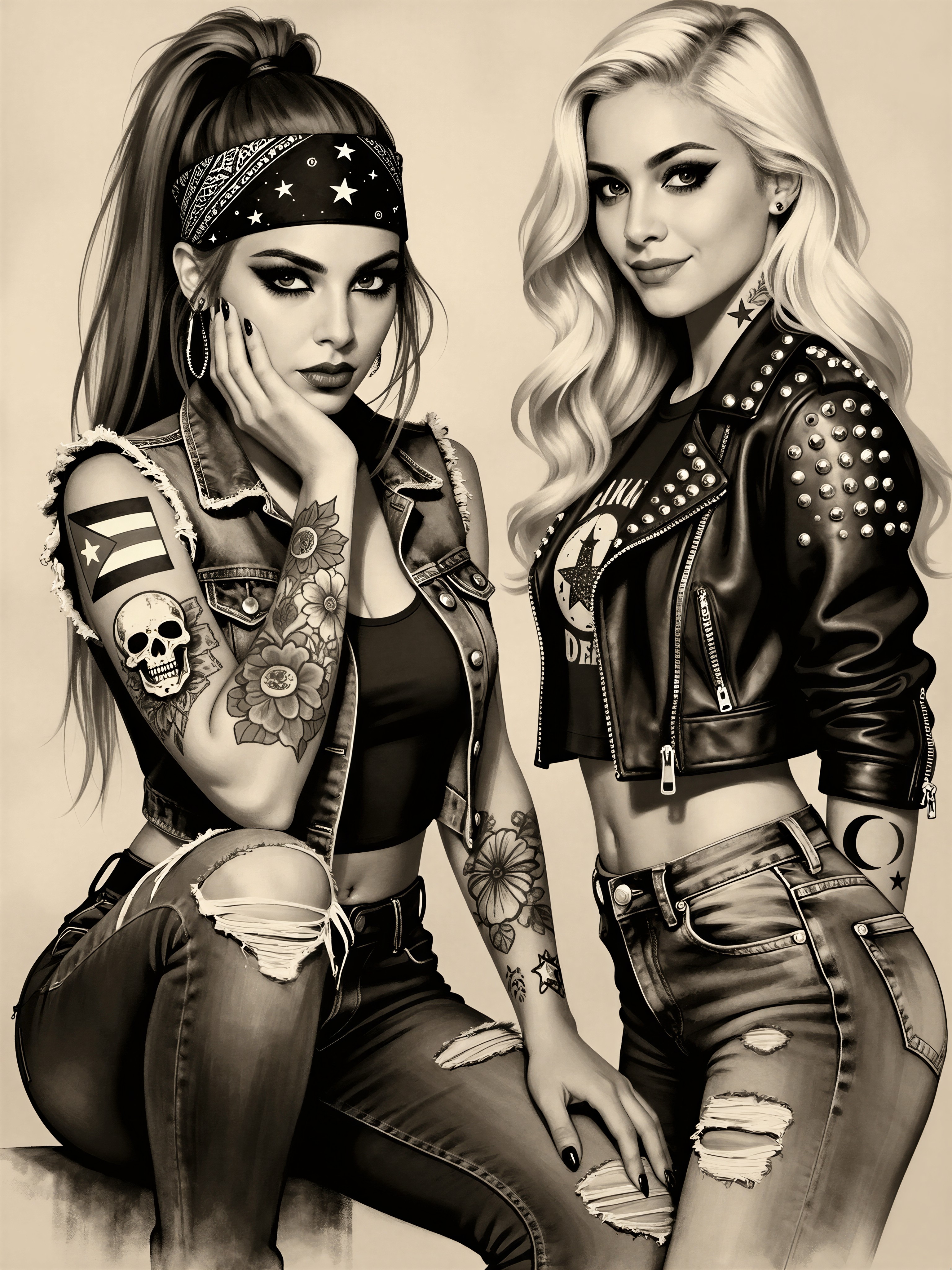
These prompts explore adjacent territory — abstract collage energy, watercolour-and-gold opulence, streetwear action, and hyperrealistic pop duos. Good next steps if the FUTURE ART poster sparked something: